
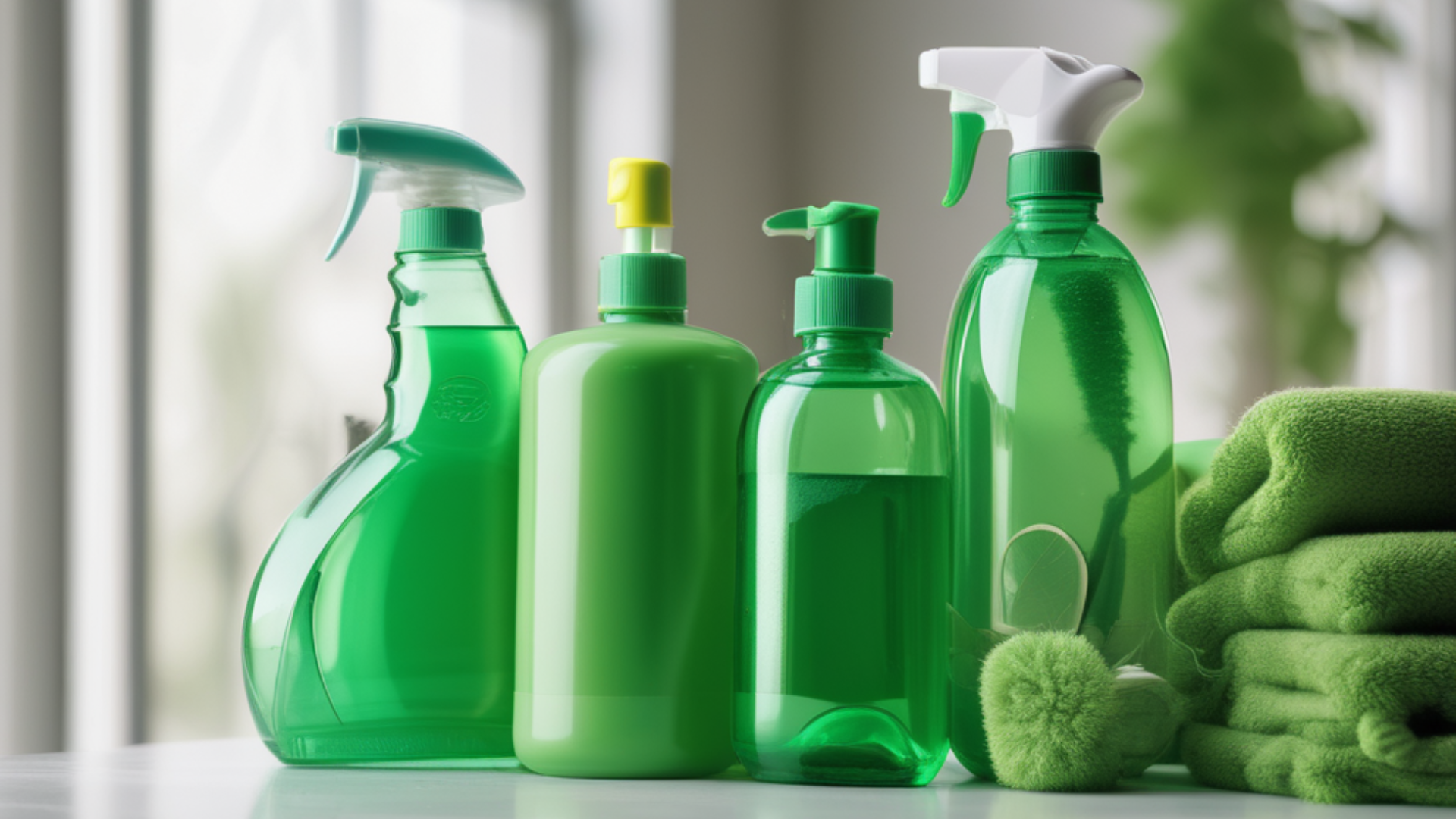
In today’s world, where environmental consciousness is more critical than ever before, businesses across all industries are seeking ways to reduce their ecological footprint. For cleaning companies, this often means finding innovative ways to minimise the use of harsh chemicals without compromising on effectiveness. Not only does reducing chemical usage contribute to a healthier planet, but it also promotes a safer work environment and can even lead to cost savings. In this blog, I will be guiding you through the processes of reducing chemical usage in your operations.

1) Monitor and Evaluate
Tracking chemical usage is essential for reducing a cleaning company’s environmental impact. By systematically recording the types and quantities of chemicals used, businesses can identify patterns and target areas for reduction. Accurate records helps managers spot overuse or opportunities to switch to greener alternatives. This transparency builds clients trust and demonstrates a commitment to sustainability, enhancing the company’s reputation and attracting eco-conscious clients.

2) Educate and Communicate
Effective communication about your green practices is vital. Educating clients on the benefits of reduced chemicals usage and sustainable products showcases your commitment to health, safety and environmental conservation. Transparency builds trust, fosters stronger client relationships, and creates a marketing advantage by differentiating your business from competitors. But make sure your green practices are genuine to avoid green-washing.
3) Adopt Green Cleaning Products
Transitioning to biodegradable, non-toxic, and eco-friendly cleaning products is crucial for minimising environment harm. These alternatives reduce the release of harmful chemicals, contributing to a cleaner planet. Using concentrated cleaning solutions like the Jangro Enviro Concentrate Range, reduces packaging waste and overall chemical volume. Concentrates are cost-effective and environment friendly, requiring less packaging and shipping, which saves money and reduces waste.
Additionally, our ntrl range harnesses cutting edge biotechnology for superior performance while championing sustainability. With plant-based extracts and advanced biotech, ntrl offers a safer, more efficient cleaning process, reducing our environmental impact. Crafted from 100% post-consumer recycled plastic, our bottles significantly lower CO2 emissions. We encourage bottles to be reused and provide refillable options, including concentrates and 5 litre bottles, to minimise plastic use. All packaging is recyclable, and our products are vegan-friendly, cruelty-free and made in the UK to ISO 9001 and ISO 14001 standards, with Carbon PAS2060 accreditation for carbon neutrality.

4) Create a Cleaning Plan
Developing a cleaning plan is key to maintaining cleanliness while minimising chemical use. A routine maintenance schedule focuses on regular cleaning to reduce the need for harsh chemicals during deep cleanings. Consistent cleaning prevents grime build-up, making the process more cost-efficient and environment friendly.
5) Implement Efficient Cleaning Practices & Cleaning Equipment

Adopting efficient cleaning practices reduces chemical reliance. Microfiber cloths and mops clean effectively with minimal chemical use due to their superior ability to trap dirt and bacteria. This not only promotes a safer environment but also improves cleaning efficiency. Advanced equipment like floor scrubber dryers use fewer chemicals, applying controlled amounts of water and solution to clean more effectively, enhancing performance with less chemical input.
Read about the Motorscrubber SHOCK, an osculating floor scrubbing tool!
Conclusion
In conclusion, all companies have a unique opportunity to reduce their environmental footprint by minimising harsh chemical usage. By implementing strategies like monitoring chemical use, educating clients, and adopting sustainable products such as our ntrl range, businesses can significantly improve their sustainability efforts. By using these practices, your cleaning company can lead the way in environmental responsibility, ensuring a cleaner, greener future, building client trust and achieving cost saving.